KNCC

- 전 장청 총무 이선애 씨 EYCK 국장으로
- 대한예수교장로회 청년회 전국연합회 전 총무였던 이선애 씨가 한국기독청년협의회(EYCK) 정책 및 조직 훈련국장으로 선임됐다. “연합회 임원들이 공유해야할 지침서 개발과 EYCK 각 교단 임원들의 연합 수련회 개최 등을 상반기 중심 사업으로 추진할 계획입니다” 이선애 국장은 3월 3일부터 공식 출근해 청년의 지도력 개발과 관련한 프로그램 개발과 조직 관리 등을 담당한다. 또 지역 EYCK 재건 및 활동 지침서도 제작할 예정이다.
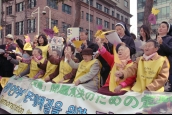
- 제805차 양성평등위원회 주관 정대협 수요시위
- ‘위안부’ 문제 해결...모두의 참여영성 필요 일본의 사과와 배상을 촉구하는 피해자 할머니들과 참석자들 제 805차 일본군 ‘위안부’ 문제 해결을 위한 정기수요시위가 한국기독교교회협의회(NCCK) 양성평등위원회(유근숙 위원장) 주관으로 3월 19일(수) 12시 일본대사관 앞에서 개최됐다. NCCK 정해선 국장의 사회로 참석자들은 일본정부가 ‘일본군 위안부’ 문제에 대해 철저히 진상 규명할 것과 공식 사죄, 법적 배상을 해야한다고 요구했다. 특히, 참석자들은 이명박 대통령이 지난 1월 17일 자신의 임기 중 일본 정부에 “(과거사에 대해) ‘사과하라’ ‘반성하라’는 말을 하고 싶지 않다”고 밝힌 것에 대해 “양국 국민들에게 왜곡되고 거짓된 화해와 상생이라는 불행을 안겨주는 것”이라고 성명서를 통해 밝혔다. 또, 한국정부가 ‘위안부’문제 해결을 위해 적극 나서야 하며, 실용과 국익을 넘어서는 ‘인권’ 우위적인 정책을 실시하라고 강조했다. 이 날 정기 시위는 강주혜 사무처장(정대협)의 경과보고와 유근숙 목사(NCCK 양성평등위원장)의 설교, 김숙경 총무의 성명서 낭독으로 진행됐다. 말씀을 전한 유근숙 양성평등 위원장은 참여의 영성이 필요하다고 강조했다. 유 위원장은 "우리 한 사람 한 사람이 참여하고 자리를 지켜 줄 때, 문제가 해결 되고 우리 할머니들의 명예가 회복 될 것”이라며 교회와 사회의 참여를 촉구했다. *성명서 전문 제805차 일본군‘위안부’문제 해결을 위한 정기수요시위 이 땅에 생명의 기운이 넘쳐나는 봄이 왔지만, 지난한 싸움을 하고 있는 할머님들에겐 봄이 멀게만 느껴진다. 그러나 수요일의 만남과 외침은 국내적으로는 더 많은 국민들에게 일본군‘위안부’문제를 인식하게 하고, 바른 역사이해와 평화와 인권을 실천하는 장이 되고 있다. 또한 세계적으로는 지난해 7월 미하원에서, 11월 캐나다 연방회의에서, 12월 유럽의회에서 일본정부에게 일본군성노예제에 대한 사죄와 배상을 촉구하는 결의안을 채택하도록 이끌어내는 성과를 거두었다. 이 같은 국제적 흐름은 동북아 평화실현을 위해 일본군’위안부’문제가 선결과제임을 분명히 보여주고 있다. 그러나 일본 정부는 일본군‘위안부’문제에 대한 공식사죄와 법적배상에 침묵하거나 완강히 거부하고 있을 뿐만 아니라, 최근 ‘미사일 방어체제’(MD)구축과 평화의 약속인 ‘평화헌법9조’ 개악을 통해 한반도와 동북아 평화를 위협하고 있는 실정이다. 이런 상황에서 이명박 대통령의 당선 이후에 잇따른 발언은 현 정부의 역사인식과 외교정책에 의구심을 갖게 하고 있으며, 나아가 한•일 과거사 해결에 미칠 부정적 영향을 염려하지 않을 수 없다. 양국의 과거사 문제는 어제의 묵은 이야기가 아니라 오늘이며 또한 내일이다. 현 정부가 정의를 강물처럼 흐르게 하지 못한 채 ‘열린 자세의 외교’, ‘과거에 얽매이지 않는 미래지향적 외교’를 주장하는 것은 양국 국민들에게 왜곡되고 거짓된 화해와 상생이라는 불행을 안겨주는 것이라 하겠다. 여성들은 여성폭력극복을 통한 평화공동체를 지향하며, 특별히 국가권력에 의한 전시 하 여성인권 피해자를 위한 일에 연대를 강화해 나가고자 한다. 하루 속히 일본군‘위안부’문제가 해결되기 바라며 다음과 같이 요구한다. 하나. 일본정부는 일본군‘위안부’ 문제에 대한 진상을 철저히 규명하고 즉시 피해자들에게 공식사죄하며 법적 배상하라! 하나. 일본정부는 과거 전쟁범죄에 대한 법적 책임을 인정하고, 현재의 모든 전쟁시도를 중단하라! 하나. 한국정부는 일본군‘위안부’ 문제해결을 위해 적극 나서고 실용과 국익을 넘어서는 ‘인권’우위적인 정책을 실시하라! 하나. 이 땅의 모든 전쟁세력들은 평화위협과 여성에 대한 폭력과 인권유린 행위를 즉각 중단하라! 2008년 3월 19일 제805차 일본군‘위안부’문제 해결을 위한 정기수요시위 참가자 일동
- 유인촌 문화체육관광부 장관 방문
- 3일 공식 취임 후 유 문화체육관광부 장관은 개신교와 천주교 불교 등 종교계를 가장 먼저 찾았다. 신임 문화체육관광부 유인촌 장관이 3월 3일 한국기독교교회협의회(이하 NCCK) 총무실을 방문했다. 권오성 총무는 유인촌 장관에게 “국민에게 희망을 주고 국민의 목소리를 잘 들어 주길 바란다”며 “특히 새로 출범한 정부가 낮고 소외된 자들에게 더 큰 관심을 기우려 줄 것을 당부 한다”고 말했다. 이에 유 장관은 ‘우리 사회 화합과 소통을 위해 종교의 역할을 매우 크다’며 ‘정부과 종교계가 지금까지 서로 손발이 맞지 않은 부분도 있었지만 앞으로 정부와 종교계가 손발을 잘 맞춰 일해 나가자’고 말했다. 유 장관은 지난 1일부터 공식적인 문화체육관광부 장관으로서의 업무를 보고 있다.
- 2008 평화통일정책협의회 발제문
- 2008년 평화통일정책협의회 발제 원고 순서 발제 1 "88선언, 이후20년, 향후20년" - 서광선 교수(이화여자대학교 명예교수) 발제 2 "한반도 평화와 통일에 대한 새 비젼" - 김성은 교수(서울신학대학교 기독교학과) 북한교회 이해(칠골교회 동영상) - 노정선 교수(NCCK 화해통일위원회 위원) 패널토의 Ⅰ • 김병로 박사 (서울대학교 통일연구소) • 서보혁 박사 (이대학술원 평화학 연구센터) • 김반석 총무 (한국기독교장로회 청년연합회) 패널토의 Ⅱ 이종무 소장(우리민족서로돕기운동 평화나눔센터) 김훈일 신부(천주교 주교회의 민족화해위원회) ※참고자료 민주의통일과 평화에 대한 한국기독교회 선언문 (88선언) 한국기독교교회협의회 88선언 10주년 선언문 남북공동성명 (1971. 7. 4.) 민족자존과 통일번영을 위한 특별선언 (1988. 7. 7.) 남북기본합의서 (1991. 12. 13.) 6․15 공동선언전문 (2000. 6. 15.) 남북관계 발전과 평화번영을 위한 선언 (2007. 10. 4.) 한국교회 평화통일운동 연표
- 2008 남북교회 부활절 공동기도문(영문)
- Common Easter Prayer of the Churches of South and North Korea March 2008 O God, Lord of our history as well as of our nation! Today we praise you, Lord, who have risen as Eternal Life through the struggle for righteousness, between lies and truth, at the fork of the path of dying or living. O Lord, who deserves to be praised! We give thanks to you for allowing us to enjoy this Easter morning of New Life. Help our nation to commit ourselves to the Peace and Life of Christ in the new day of Resurrection. O Lord, who is still alive and is with us! As the one day of resurrection has brought a new day continuing through all eternity, and as you accomplish the salvation of all humankind and all creation through the risen One, Free us from the reality of war and conflict and from the world of antagonism and jealousy through your mercy and grace. O Lord of Peace! We live under the shadow of threats by foreign power; our tears, sighs, wrath and quarrels, all prevail under this shadow. Those without belief and hope say that our nation’s unity is beyond our accomplishing and beyond our waiting. Christians of both North and South, however, believe in the unity of our 70 million people. We believe we can find reconciliation and peace through mutual exchange and cooperation. When we see through the eyes of Resurrection and Life, we confess that our nation already lives with peace and reunification. O Lord! Help us, churches of North and South, sisters and brothers of North and South, to achieve resurrection itself with one accord. Help us to enjoy a life of peace through our belief and action. Help us to be reborn as one nation wearing white clothes, a new nation of white and cleanness. Help us to build a kingdom of peace serving our neighbors, to open a new day of reunification standing firmly as light for the world. We pray in the name of the risen Jesus Christ. Amen. This Common Prayer was jointly written by the National Council of Churches in Korea (NCCK) and the Korean Christian Federation (KCF) in March 2008.
2008-03-06 01:33:31
- 해외 선교 신학 지침 마련위해 기획팀 구성키로
- 신앙과 직제 위원회는 한국교회의 해외 선교에 대한 신학적 정리와 지침을 마련키 위해 기획팀을 구성하기로 했다. 신앙과 직제 위원회(위원장 이형기)는 3월6일 오후 3시 교회협 총무실에서 제56회 1차 회의를 개최했다. 회의에서 신학 정리와 지침 마련을 위해, 향후 회원교단 실무자들과 협의키로 하고 이를 위한 기획팀을 구성해 3월 26일경 첫 모임을 갖기로 했다. 기획팀은 이형기, 최형묵, 김오성, 강서구 국장(EYCK) 외에 약간 명을 위원장이 추천해 구성하기로 했다.
- 개성공단 직원 철수와 북측의 미사일 발사에 대한 한국교회의 입장
- 개성공단 직원 철수와 북측의 미사일 발사에 대해 우리는 3월 27일 개성공단 남북경협사무소 직원의 철수 소식과 28일 북한 측이 서해 상에 단거리 미사일을 발사했다는 발표를 접하고 착잡한 심정을 금할 수가 없다. 새 정부가 들어서면서 지난 10년 간 발전된 남북 관계가 진일보되고, 한반도에서 평화정착이 실질적으로 이루어지게 되기를 기대하고 있었기 때문이다. 그러나 이명박 정부는 북한 핵문제, 비핵⦁개방⦁3000구상, 한미전략동맹, 남북문제해결 등을 우선시하는 정책을 언급함으로써, 북한을 대등한 대화 협력의 파트너가 아닌 개발, 시혜, 계도의 대상으로 인식하는 자세를 견지하고 있다. 이런 입장 변화에 대해 국민들에게 적절한 설명도 없었으며, 또한 대화를 통해서 상대방에게 자신의 입장을 이해시키려는 최소한의 노력도 기울이지 않은 것으로 판단된다. 북핵문제, 경제협력, 인도주의적 지원, 민간 차원의 협력의 각 분야에서 정부의 역할이 엄격하게 다르다. 그런데 이명박 대통령을 비롯한 당국자들이 이를 구분하지 않고 정부 정책 기조를 세우고, 대북발언을 하고 있음은 앞으로 한반도 평화와 남북관계가 부정적으로 발전하게 되리라는 우려를 금할 수 없다. 이런 상황에서 그동안 평화와 통일을 위하여 노력해온 우리는 남북 관계의 경색 위기에서 아래의 몇 가지 점을 권면한다. 첫째, 이명박 정부가 대북 정책에서 이전 정부와 여러 면에서 다르다고 하더라도 한반도의 긴장완화와 항구적인 평화정착, 민족경제의 균형적 발전과 공동의 번영은 오늘 우리 시대의 과제이고, 현 정부가 이루어야 할 숙제임을 늘 기억하고 노력하기를 바란다. 그런 점에서 1991년의 남북기본합의서만이 아니라 2000년의 6.15 공동선언과 2007년의 10.4 남북정상 선언의 내용을 연속성을 가지고 충실히 이행해 나가야 할 것이다. 둘째, 한반도 비핵화 문제가 6자 회담의 틀에서 조속한 시일에 해결될 수 있도록 남북과 미국을 비롯한 관계국들이 최선의 노력을 기울여야 한다. 그러나 남북 경협 사업에 핵문제 해결을 전제 조건을 삼는 것은 스스로 표방한 ‘실용주의’를 포기하는 것이며, 남북 문제의 기본을 이해하지 못한 처사이다. 개성공단 협력 사업처럼 경협 사업은 남북 당국자는 적절한 제도적인 보장과 법적 보호와 편의 제공의 역할을 하는 것에 그치고, 사업의 진행과 확산 등은 시장 경제 차원에서 기업에서 판단하고 진행하도록 맡겨야 한다. 셋째, 남과 북의 인도주의적 협력과 지원 사업은 동포애와 상부상조의 원칙에 따라 적극 협력해 나가야 한다. 그 일환으로 우선 북한의 춘궁기와 농번기 때 지원해 온 비료와 쌀을 조속히 보내야 할 것이다. 이것이 진정으로 생존권과 관련된 인권 증진에 기여하는 방안이 될 것이다. 넷째, 개성공단의 남북경협 사무소 당국자 철수 요청과 서해안 단거리 미사일 발사 등은 우리 정부의 정책에 대한 북한 당국의 대응이라는 성격의 행동이라고 판단된다. 이 일을 기화로 남북 정부가 지금 시점에서 당국자간의 대결 구도로 진입하지 않고 차분하게 현상황에서 상대방의 주장이 무엇인지를 상호 검토하고, 여러 채널을 통해 적극적으로 대화에 나서기를 강력하게 촉구한다. 그래야 정치적인 상황이 급변하고 있는 현실이 경색 국면으로 치닫지 않고, 이번 사태를 통해 오히려 지금보다 좀 더 성숙한 남북 관계가 이루어갈 수 있다. 우리는 이번 남북 대치 양상이 좀 더 발전적으로 결론지어지고, 향후 이명박 정부가 북핵 문제 해결, 한반도 평화체제 수립, 남북 경제공동체 형성, 동북아 공존공영으로 이어지고 반복되는 선순환의 구조를 만들어내는 정부가 되기를 기원한다. 2008.3.28 한국기독교교회협의회 총 무 권오성 화해통일위원장 이종복
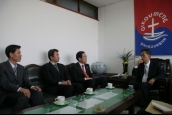
- 민간외교 역할 교회협이 더 많이 힘써 달라
- “정부의 공식적 외교 활동은 지극히 제한적일 수 밖에 없다. 한국기독교교회협의회와 같이 세계교회 망을 갖고 있는 종교 단체가 모자란 부분을 채워 줄 수 있기를 바란다” 문화체육관광부 김장실 1차관과 신재민 2차관 그리고 곽영진 종무실장이 3월 27일 본회 총무실을 방문했다. 김장실 차관은 우리 사회에서 종교의 역할은 어느 곳보다 중요하며, 특히 민간 외교자로의 역할이 강조된다며 교회협이 이 역할을 수행하는데 많은 힘을 써 달라고 전했다. 그는 종교의 문화적 역할이 아직은 미개척 분야라며 ‘종교적 문화 콘텐츠를 더 많이 발전시켜야 할 것 같다’며 이 부분에 문화체육관광부의 더 많은 지원 계획을 세우고 있다고 밝혔다. 권오성 총무는 ‘한국기독교교회협의회는 세계교회협의회(WCC)를 통해 공식외교가 할 수 없는 외교적 역할을 해왔던 것이 사실’이라며 ‘WCC 중앙위원과 실행위원, 아시아기독교협의회 총무 등 많은 종교 지도자를 배출하고 있지만 더 많은 지도자를 세우기 위한 노력하고 있다’고 답했다. 이와 함께 ‘종교, 시민, 사회가 가지고 있는 자원을 내 보일 수 있는 난장(亂場)이 아직은 부족한 것 같다’며 ‘문화체육관광부가 이 같은 공간을 마련하는데 지원을 아끼지 말았으면 한다’고 요청했다.
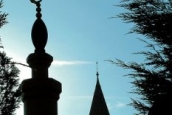
- WCC 기독교 이슬람 대화 위한 성명 발표
- 세계교회협의회는 3월26일 기독교와 이슬람교 간의 차이를 인정하고 함께 공감대를 형성해 나가야 한다는 성명을 발표했다. ‘서로 사랑하는 방법 배우기’란 제목의 이 성명을 통해 WCC는 ‘이웃에 대한 사랑은 하나님의 명령이며, 종교와 관계없이 기독교인이나 이슬람인 모두에게 해당된다’며 ‘서로의 차이를 인정함으로서 반목과 대립의 관계를 극복해 나가야 한다‘고 강조했다. WCC 사무엘 코비아 총무는 이 성명을 통해 ‘이슬람 지도자들과 신앙적 대화를 나눌 기회를 마련했다’며 ‘전 세계적으로 종교적 충돌 현상을 빚고 있는 상황에서 성명은 희망의 도구가 될 것’이라고 기대감을 나타냈다. 기독교-이슬람 대화 프로그램을 담당하고 있는 리마 발섬(Rima Barsoum)도 ‘이번 성명이 양 종교간 대화를 시작하는 신호탄이 될 수 있을 것’이라며 ‘양 종교간의 대화가 국제적으로 그리고 지역 차원에서 종교 협력을 가져오게 될 것’이라고 밝혔다. (사진 : Church and mosque - neighbours in Leeds, UK. Photo: Nuala Bugeye, 2008@WCC) *이하 WCC "서로 사랑하는 방법 배우기‘ 전체 성명서 LEARNING TO EXPLORE LOVE TOGETHER Suggestions to the Churches for Responding to "A Common Word" Preamble On 13 October 2007 a group of 138 Muslim scholars addressed an open letter to Christian leaders. Among those addressed was the General Secretary of the World Council of Churches. Based on initial responses from member churches, the WCC initiated a process of responding to the letter. Since November 2007 the WCC commenced consultation with its member churches and ecumenical partners, a number of whom responded with great enthusiasm. This was followed by a meeting of scholars and church experts engaged in the field of Christian-Muslim relations. Their deliberations produced the following commentary on the letter entitled “Learning to Explore Love Together”. The commentary is intended to assist the churches in reading and responding to the letter “A Common Word”. The document includes suggestions to encourage member churches and ecumenical partners in their reflection on the Letter and in its invitation to explore together with Muslim fellows the love of God and the love of neighbour in their respective contexts. Churches and ecumenical partners are then invited to share their reflections with the WCC as a contribution to a common understanding of and a common response to this initiative. The on going process of reflection and the desire to create a common response to the letter through an initiative of dialogue is described below. A Letter from 138 Muslim Scholars The Letter, entitled A Common Word between Us and You (drawing upon an invitation to conversation in common between Christians and Muslims that appears in the Qur’an), sets out key dimensions of belief and action that in its authors’ understanding followers of the two faiths hold in common. They sum these up in the two-fold commandments of love expressed in the Bible: ‘You shall love the Lord your God with all your heart, with all your soul, and with all your mind, and your neighbour as yourself’. To this end, by citing verses from the Bible, the Qur’an and Hadith (the sayings of the Prophet Muhammad), the letter briefly shows how Christians and Muslims share similar teachings about love for God and love for neighbour. On the basis of these shared teachings, the authors then issue an invitation to Christians to join together with them ‘on the common essentials of our two religions’. They also make clear that there are differences between Christianity and Islam, and counsel that ‘there is no minimizing some of our formal differences’. But they recall that since 55% of the world’s population belongs to these two religions, “making the relationship between these two religious communities [is] the most important factor in contributing to meaningful peace around the world. If Muslims and Christians are not at peace, the world cannot be at peace.” This invitation marks an encouraging new stage in Muslim thinking about relations between Muslims and Christians. Throughout their shared history, followers of the two faiths have too often misunderstood one another. In recent times, a new way of thinking about the other took place; the churches have begun to think afresh about the relationship between Christianity and other faiths, including Islam - prominent among the outcomes of this thinking are the Roman Catholic Church’s Declaration on Relations between the Church and non-Christian Religions, 1965, and the World Council of Churches’ Guidelines on Dialogue with People of Living Faiths and Ideologies, 1979. Here, in A Common Word is a clear indication that leading Muslim intellectuals and religious leaders are committed to fresh thinking about the relationship between Islam and Christianity. The courage of their action must be applauded – and since then around one hundred more scholars have signed the Letter - and the sincerity of their gesture must be welcomed in the warmest terms. Ways towards a Response After consultation with its member churches and ecumenical partners, and with the advice of specialists, the World Council of Churches proposes to initiate a process that, with patient reflection and mutual exploration between the people of the churches and the people of the mosques, can lead to fresh awareness one of the other, abandonment of stubborn prejudices, and new ways forward in respect and cooperation. The following steps summarize the process: The World Council of Churches encourages its member churches and ecumenical partners, to recognize and welcome the serious intent of A Common Word and prayerfully consider its invitation to dialogue and cooperation. It also invites them to reflect ecumenically on the content of the Letter in their own unique contexts. While acknowledging that some churches have already begun this journey, the present document is aimed at facilitating and deepening such endeavours. The Council will call on its Muslim partners – especially the signatories to the Letter – to create a joint planning group to prepare steps towards common action, and seek joint Muslim and Christian initiatives of dialogue and cooperation at both the regional and global levels. The Council will propose to this group, the organizing a series of consultations between Muslim and Christian leaders, scholars and practitioners which, based on this new opportunity, will reflect on points of mutual understanding, work on a theological and ethical framework for future joint initiatives and establish new means of exploring further in both matters of faith and life. These steps are taken on the understanding that the invitation in the Letter is issued by its signatories in full awareness of the difficulties that have accompanied past efforts, and that it signals a new and vigorously energized desire for a fresh start. Exploring Together the Love for God and Love for Neighbour The Letter eloquently underlines similarities on the key points of love for God and love for neighbour which both Christians and Muslims respect. However, the differences between the ways in which they each understand these imperatives and put them into practice cannot be ignored. The testimony of past and present writings by Muslims and Christians about and against the other serves as a clear reminder that misunderstanding can easily arise when followers of each faith try to explore the other’s beliefs without proper care and attention. Therefore, it must be stated unequivocally that Christians should be ready to learn about Islam by listening closely to what Muslims themselves teach, and that Muslims should be ready to learn about Christianity by listening closely to what Christians themselves teach. Presuppositions are to be put aside, and followers of both faiths must be ready to seek the learning and wisdom of the other as the other imparts it according to their own unique insights. Exploration of love for God together will undoubtedly yield startlingly instructive insights for both Christians and Muslims. In the same way, exploration of love for neighbour together will reveal many points on which Muslims and Christians will recognize commonly held principles and actions. But these signs of similarity must be held in tension with real divergences and hard to reconcile differences. Thus, for example, while both Christians and Muslims say they perceive God as one, what is actually meant in Islam by the doctrine of Tawhid (Unity of God), and what is actually meant in Christianity by the doctrine of the Trinity? Are these contradictory doctrines, as the history of engagement between the two faiths attests, or is there a way in which they can be seen as complementary insights into the mystery of God? Similarly, while both Muslims and Christians claim to receive revelation from God, what is meant when Muslims claim to perceive the will of God revealed in the Qur’an - what has been called the Word of God become book-, and what is meant when Christians claim to perceive God’s self revealed in Jesus Christ - who is called the Word of God become flesh? In the same way, the love of neighbor is an essential and integral part of faith in God and love of God in both religions. Both Christians and Muslims obey God by seeking to respond to need in society. In Islam loving one’s own neighbor is expressed in acting with responsibility and generosity towards the needy within the community. In Christianity the love of neighbour is seen as a reflection of God’s love to humanity through Jesus Christ. This love transcends geographical and religious boundaries and thus embraces humanity in all its components without exception as it is expressed in the parable of the Good Samaritan. The concept of love of God and love of neighbour is but one bridge and point of dialogue for action, at the same time Christian-Muslim dialogue and cooperation should explore a common ground in the search for justice and peace. Agreeing and Disagreeing in Respect and Love While Christians and Muslims may often be surprised to recognize in the utterances and explanations of the other what can appear to be reflections of their own beliefs, they will also see stark divergences in emphasis and some clear differences that resist all resolution by mutual efforts. Not the least of these will be the Christian difficulty of appreciating Muhammad as a prophet, and the Muslim difficulty of appreciating Jesus as God incarnate. These spring from sincerely held views that have been keenly defended for centuries, and as keenly questioned and rejected. It is therefore a pressing necessity that while Christians and Muslims must find ways of enhancing what they hold in common, they must also find ways of acknowledging and respecting the differences between them, of attempting to understand these, and of not allowing them to fuel hostility. The degeneration into mutual recrimination and condemnation is a pattern that has been repeated in the past to the sorrow of people of good will, who would also acknowledge with regret the ways in which religion has been misused. This may easily continue in the future unless careful steps are taken to prevent it. With understanding the plurality and complexity of their shared history, both Christians and Muslims must work hard to develop respect where understanding is difficult and trust where differences do not yield to inquiry. In full recognition of the long history they hold in common, while recalling examples of humane mutual respect, they must recognize the need to work actively to heal hurts both local and global, and to change attitudes and stereotypes. Member churches are encouraged to recall and learn from each other’s experiences, and examine how these might inform and challenge their future actions. More than this, even when Christians and Muslims continue to disagree on matters of belief, they should strive to reach the point at which they can recognize and endorse what they hold in common with sufficient integrity to allow them to work together in the world. Thus, they should make it a priority to understand how the precious heritages they each hold can direct and even impel them to work together for justice and peace, recognizing their joint goals and responding to the call of the One they worship and obey to come together not only in a common word but also in common action for the greater glory of God and the wellbeing of all.
- 에큐메니칼 컨소시엄 제2차 회의 명칭과 규약안 개정(영문)
- Terms of Reference Ecumenical Forum for Peace, Reunification and Development Cooperation on the Korean Peninsula 1. Name The name shall be “Ecumenical Forum for Peace, Reunification and Development Cooperation on the Korean Peninsula” and shall hereafter be referred to as the “Ecumenical Forum for Korea”. 2. Nature of Organization In the spirit of the churches’ commitment to peace and reunification expressed in the Tozanso process since 1984, the Ecumenical Forum for Korea will serve as a cooperative endeavor of churches, national councils of churches, mission organizations and church-related development agencies in cooperation with the WCC, CCA and other ecumenical bodies. 3. Objectives The Ecumenical Forum for Korea aims to: 1. Strengthen ecumenical participation in the peace and reunification efforts on the Korean Peninsula as well as reconciliation in North East Asia. 2. Promote effective development cooperation on the basis of mutual trust and transparency through sharing of resources and experience in the ecumenical community. 4. Tasks and Functions The Ecumenical Forum for Korea shall have the following tasks and functions: a) Initiate dialogue and cooperation among participating churches, ecumenical bodies, church agencies for common action for peace and reunification of the Korean Peninsula; b) Gather and mobilize material, technical, and financial resources for development cooperation with DPRK; c) Ensure mutual transparency and accountability for effective work; d) Develop and maintain systematic communications among participants. 5. Meetings The Steering Group will convene the Forum not less than once every two years, as a meeting of representatives from churches, national council of churches, mission organizations, development agencies and other ecumenical bodies who subscribe to the Terms of Reference as outlined above. 6. Steering Group A Steering Group composed of a core group representing NCCK, KCF, CCA, WCC and up to four representatives of other participating organizations appointed by the Forum meeting, shall serve as the coordinating body between meetings of the Forum, with authority to decide on matters that need immediate action. 7. Finances Meetings will be self-financed with all costs shared. The work of the network will be supported by project funding and voluntary contributions. 8. Other Any other agenda not specified herein shall be decided by the meetings of the Ecumenical Forum for Korea.
- 제2차 에큐메니칼 포럼 회의보고
- 한반도 평화, 통일, 개발협력을 위한 에큐메니칼 포럼 (Ecumenical Forum for Peace, Reunification and Development Cooperation on the Korean peninsula) 1. 회의 명칭: 한반도 평화정착과 사회개발을 위한 에큐메니칼 컨소시엄(Ecumenical Consortium for Peace-Building and Social Development on the Korean peninsula) 2. 일시: 2008년 2월 7일(목)- 8일(금) 3. 장소: 독일 프랑크푸르트 아놀즈하인 개신교 아카데미(Protestant Academy at Arnoldshain) 4. 참석자: 한국 : 권오성 목사(NCCK 총무), 이종복 감독(NCCK 통일위원회 위원장), 김갑식 목사(예장통합 남북한선교통일위원회 위원장), 김종생 목사(예장 통합 사회봉사부 총무), 전용호 목사(기감 서부연회 총무), 이상윤 목사(기독교봉사회 총무), 윤길수 목사 (기장 총무), 나핵집 목사(기장 평화공동체운동본부 공동대표), 황선엽 사관(구세군 대외협력), 김광준 신부(대한성공회 교무원장), 지관해 목사(기독교대한복음교회 총회서기), 이삼용 목사(기하성 총무), 채혜원 목사(에큐메니칼 컨소시엄 사무국장), 황필규 목사 (NCCK 정의평화국 국장) 조선그리스도교련맹 : 강영섭 목사 (조선그리스도교련맹 중앙위원회 위원장) 이정로 목사 (조선그리스도교련맹 국제부장) 김태준 선생 (조선그리스도교련맹 국제부원) 해외교회: 세계교회협의회 Dr. Mathews George Chunakara (WCC, 아시아 및 인권담당 국장) Rev. Keum Jooseop(WCC, 선교와 전도국장) 아시아기독교협의회 Mr. Tony Waworuntu (CCA 정의, 국제, 발전, 봉사국장) 캐나다 Ms. Bern Jagunos (카나다 연합교회 아시아담당 국장) Mr. Erich Weingartner (북한 인도적지원 컨설턴트) 독일 Rev. Paul Oppenheim (독일개신교협의회 EKD 아태국장) Rev. Uliche Schumidt-Hesse(독일 서남지구선교회 EMS 부총무) Mr. Lutz Drescher (독일 서남지구선교회 EMS 아시아국장) Rev. Detlev Knoche (독일 헤세나사우주교회 에큐메니칼센터 원장) Ms. Stefanie Elbern (독일 개신교개발지원국 EED 아시아담당) 영국 Mr. Michael King(영국감리교회, 세계선교 국장) 스위스 Ms. Doris Ghros(Mission 21, 스위스 바젤, 아시아담당) 미국 Rev. Victor Hsu (World Vision International, 북한 담당) Rev. Derek Duncan(미국그리스도교연합교회/제자교회공동 세계선교부) Rev. Kim Jong Sung(미국감리교회 세계선교부, 선교국장) Mr. James Railly (Amerian Friends Service Committe, 중국, 북한 담당) 참관: 스위스 Mr. Daniel Gerster (아카페 인터네셔날: 대북지원단체) 윤성민 (하이델베르그에서 박사과정 중) * 일본기독교협의회(NCCJ)의 Rev. Toshimasa Yamamoto와 미국기독교교회협의회( NCCC-USA)의 최승구목사가 협의회 내의 조직변동으로 불참함에 대한 유감과 인사를 전해 옴 5. 공동의 인식과 결의사항 2006년 12월 홍콩에서 결성된 “에큐메니칼 컨소시엄”에 이어, 제2차 회의가 2008년 2월 7일(목)- 8일(금) 독일, 프랑크푸르트 아놀즈하인 개신교아카데미에서 남한의 한국기독교회협의회와 북한의 조선그리스도교연맹 대표와 세계교회협의회, 아시아교회협의회를 포함하여 34명의 세계교회 대표들이 참석하여 개최되었다. 이번 회의에서 중요한 것은 제1차 홍콩회의에 참석하지 못했던 조선그리스도교련맹의 대표와 세계교회협의회(WCC)의 대표들이 함께 참석하여 한반도 평화, 통일과 개발 협력을 위한 세계 교회의 연대 조직을 만들었다는 점이다. 또한 이 모임에서는 1984년 한반도 평화, 통일과 관련된 WCC 주최의 에큐메니칼 회의인 도잔소 모임의 정신과 전통을 이어받아 세계교회가 한반도 평화와 통일을 위해서 함께 일하기로 했다. 이에 따라 앞으로 이 모임의 주요 사업에서 콘소시엄 형태의 북한 사회 개발 협력과 함께 동시에 한반도 평화와 통일 문제에 힘을 모으기로 하였다. 이런 정신에 비추어 규약(The Terms of Reference)을 개정하였으며 여기에는 모임의 명칭, 성격, 목적, 사업 등에 대하여 논의하였다. (1) 명칭 : “Ecumenical Forum for Peace, Reunification and Development Cooperation on the Korean peninsula (약칭 Ecumenical Forum for Korea)"- "한반도 평화, 통일과 개발협력을 위한 에큐메니칼 포럼”(약칭 코리아 에큐메니칼 포럼)으로 변경했다. 그 이유로서는 과거 ‘컨소시엄’이란 용어가 주로 개발지원을 위한 조직연대의 의미로 쓰여지고 있기 때문이다. 이 모임이 사회 개발과 함께 평화 통일 이슈를 다룰 것을 목적으로 하고 있기 때문에 이 모임의 성격에 비추어 여러 교회들과 에큐메니칼 기구들의 참여를 넓히는데 알맞은 용어로 변경한 것이다. (2) 성격 : 이 포럼이 1984년 이래로 도잔소 프로세스에서 표명된 평화와 통일에 대한 교회들의 헌신의 정신을 이어, WCC, CCA 및 기타 에큐메니칼 기구들과 연대하여 세계의 교회들, 기독교협의회들, 선교단체들 및 기독교 개발기구들의 연합체임을 분명히 하였다. (3) 목적 : 기존의 세부조항을 다음의 두 가지로 요약했다. a) 한반도에서의 평화와 통일을 향한 노력과 더 나아가 동북아에서의 화해를 위한 에큐메니칼 참여를 강화한다. b) 에큐메니칼 공동체 안에서 자원과 경험의 나눔을 통하여 상호신뢰와 투명성을 바탕으로 효과적 개발협력을 증진시킨다 (4) 운영위원회: 2년에 한 번씩 있을 총회 중간에 중요사항을 논의하는 기구인 운영위원회 구성을 NCCK, KCF, CCA, WCC 와, 그 외 포럼이 지명하는 4개 기구의 대표로 구성한다. NCCK, KCF, WCC, CCA, 북미 대표로 카나다연합교회(UCC), 아시아 대표로 일본기독교협의회(NCCJ), 유럽 대표로 독일교회협의회와 개신교지원단체(EKD/EED), 영국감리교회(MCB)에서 한 사람씩을 추천하기로 하였다. (5) 사업: 각기 참여 교단과 기관들이 추진하고 있는 사업들을 보고하고, 확인하였으며, 앞으로 공동으로 추진할 사업과 신규 사업은 5월 예정인 다음 운영위원회에서 결의하여 집행하기로 하였다.
- Statement adopted in Arnoldshain on Feb. 2008
- Statement of the Ecumenical Forum for Peace, Reunification and Development Co-operation on the Korean Peninsula Evangelische Akademie Arnoldshain (Germany), February 8th, 2008 We, representatives from churches, ecumenical organisations and church agencies from Asia, Europe and North America including the WCC, CCA, KCF and NCCK met together in Arnoldshain (Germany) at the second meeting of the Ecumenical Forum for Peace , Reunification and Development Co-operation on the Korean Peninsula on February 7th to 8th, 2008. Reaffirming our commitment to the aims of the ecumenical Process for Peace and Reunification on the Korean Peninsula initiated by the WCC at the conference in Tozanso (Japan) in 1984, we expressed our resolve to intensify our ecumenical activities by agreeing on the attached Terms of Reference for further collaboration. On October 4th, 2007 the “Declaration for Development of North-South relations and peace and Prosperity” was adopted at the historic inter-Korean summit meeting held in Pyongyang. The cause of Korean reunification thus entered a new phase of implementation of the June 15th, 2000 Joint Declaration. This gives renewed impetus to the Ecumenical Movement which has supported the Korean nation’s struggle for Reunification, Peace and Prosperity and the demand that the Armistice agreement be replaced by a Peace treaty between the DPRK and the USA. The USA’s anti-DPRK policy, its war exercises, military bases and arms build-up as well as Japanese hostile moves against the DPRK hinder the efforts of the Korean nation to achieve peaceful reunification. We appeal to Christians around the world to be in wholehearted solidarity with the efforts of the Korean nation towards achieving Reunification based on the principles of ensuring “co-existence, co-prosperity and common interests” and to be fully involved in development co-operation. We appeal to Christians around the world to be mindful of the ever present threat of war on the Korean Peninsula and to join us in Prayer and to raise their voices against confrontational policies and measures detrimental to the well-being of the Korean people.
- Summarized report of 'Ecumenical Forum for Korea'
- The Ecumenical Forum for Peace, Reunification and Development Cooperation on the Korean peninsula its 2nd meeting 1. Name: The 2nd meeting of the Ecumenical Consortium for Peace-Building and Social Development on the Korean peninsula 2. Date: February 7-8, 2008 3. Place: The Protestant Academy in Arnoldshain, Germany 4. Participants : International representatives WCC Dr. Mathews George Chunakara (Asia and Human Rights) Rev. Keum Jooseop, (Mission and Evangelism) CCA Mr. Tony Waworuntu (Justice, International affairs, Development Service) Canada Ms. Bern Jagunos (Justice, Global and Ecumenical Relations) Mr. Erich Weingartner (Consultant specializing in the DPRK) Germany Rev. Paul Oppenheim (Ecumenical Relations, EKD) Rev. Uliche Schmidt-Hesse(Mission and Partnership of EMS) Mr. Lutz Drescher (East Asia, EMS) Rev. Detlev Knoche (Development and Partnership, Hessen & Nassau Church) Ms. Stefanie Elbern (South East and East Asia, and Pacific Area, EED) England: Mr. Michael King(British Methodist Church) Switzerland: Ms. Doris Ghros(Partnership in Asia, Mission 21 in Basel) USA: Rev. Victor Hsu (World Vision International, DPRK) Rev. Derek Duncan(Global Misnistry, UCC-USA and CC(DC) Rev. Kim Jong Sung(Ecangelization and Church Growth, United Methodist Church) Mr. James Reilly (China and DPRK, Amerian Friends Service Committee) Korean Christian Federation in North Korea Rev. Kang, Young-Sup (Chairperson of Central Committee, KCF) Rev. Ri, Jong-Ro(International Affairs, KCF) Mr. Kim, Tae-Jun(Mission Department, KCF) Churches in South Korea Rev. Kwon, Oh-Sung(General Secretary of NCCK), Rev. Lee, Chong-Bok(Chair of Unification Committee, NCCK), Rev. Kim, Gab-Sik(Chair of Unification Committee, PCK), Rev. Kim, Jong-Seng(General Secretary of Society and Service, PCK), Rev. Jeon, Yong-Ho(General Secretary of Seobu Conference, KMC), Rev. Lee, Sang-Youn(General Secretary of Korean Christian Service, KMC) Rev. Yoon, Kil-Soo (General Secretary, PROK) Rev. Rah, Heak-Jip (Representative of Peace Community Movement, PROK) Major Hwang, Sun-Yup(Coordinator, North Korea Mission, Salvation Army in Korea) Pastor Kim, Gwang-Joon(General Secretary, Anglican Church of Korea), Rev. Chi, Kwan-Hae(Stated Clerk, Evangelical Church of Korea), Rev. Lee, Sam Yong(General Secretary, Korean Assemblies of God) Rev. Hwang, Phil-Kyu(Director of Justice and Peace, NCCK) Rev. Chae, Heawon (Coordinator, Ecumenical Forum for Korea) Observer: Switzerland: Mr. Daniel Gerster (Agricultural Adviser, Agape International) Germany: Mr. Yoon Sung-Min (Student of Heidelberg University) On February 7-8, 2008 in Arnoldshain(Germany) "Ecumenical Forum for Peace, Reunification and Development Cooperation on the Korean Peninsula" (referred to hereafter as the Ecumenical Forum) was held as its 2nd meeting, attended by 35 participants representing churches and ecumenical bodies around the world including KNCC, KCF, CCA, WCC, and from Germany, Canada, United States, England and Switzerland. The most significant feature in this meeting was to form a world-wide network for peace, reunification and development cooperation on the Korean peninsula especially through the participation of representatives from KCF and WCC which were not participating at the first meeting in Hong Kong. For the future direction of the Forum, the participation of the KCF as one of core members of the Forum for development cooperation is very significant. As well 14 Korean representatives from 7 member churches of NCCK have participated and expressed their commitment to the Forum. At this meeting we have changed its name into "the Ecumenical Forum for Peace, Reunification and Development Cooperation on the Korean peninsula." It is for to make it clear that the Forum encompasses the importance of a world-wide network for development cooperation in the North as one column, as well as world churches" effort for peace and unification on the Korean peninsula in the solidarity with WCC, CCA, and other ecumenical bodies in continuation with the spirit of the Tozanso process as the other column. The term of "forum" instead of "consortium" is understood as more inclusive to make ecumenical bodies" participation into the forum reasonable. At its first meeting in Hong Kong, we have shared the common understanding of that the problem of poverty in North Korea could not be resolved only by emergency humanitarian support began with severe flood and various disasters in the North since 1995, and of that the last over 10 years supports to North Korea which have been characterized by lack of information sharing, mutual cooperation and process of common evaluation, resulting in loss of trust, wasteful duplication and money-centered support. Therefore this Forum has taken its first step with common tasks which call us to share information and experiences in relation to North Korea and to plan effective projects in long term base and in mutual trust building through world-wide ecumenical network. Regarding common project, the steering group, which will be newly consisted in May, is expected to take responsibility to deal. The steering group is consisted of 8 representatives from NCCK, KCF, CCA, WCC as well as from NCCJ on behalf of North East Asia, United Church of Canada on behalf of North America, Methodist Church in Britain, EKD/EED on behalf of Europe. In the final Statement the Ecumenical Forum appealed " to Christians around the world to be in wholehearted solidarity with the efforts of the Korean nation towards achieving reunification, based on the principles of ensuring "co-existence, co-prosperity and common interests" and to be fully involved in development cooperation. As you have been already informed, at the same place and just before the Forum there was a Korean-German Seminar on Peace, Unification and Social Development on the Korean peninsula(Feb. 5-7th), which was organized by German churches. It was an over 100 participants attending wonderful gathering for us to seek churches" role today for the Korean peninsula as well as to share experiences in relation to DPRK supports. For your better understanding, I am enclosing some documents with this report: 1. the newly revised "Terms of Reference" of "The Ecumenical Forum for Korea" 2. Statement adopted by participants of the Forum. 3. Time table of "the Forum" 4. (only for participants) Draft of Minutes which was made by Mrs. Bern Jagunos with her hard work. It is needed to be checked by each of participants. Please give attention to it and feel free to make comments and send me your wording to add and revise.
- 기독여민회 기독 여성 운동 지도력양성 과정 신설
- 기독여민회가 제 1기 기독 여성운동 지도력 양성 전문 과정을 개설한다. ‘민들레 홀씨 되어, 널리 퍼지다’라는 주제로, 기독교 여성 운동을 준비하거나 관심 있는 여성 모두를 대상으로 하며 선착순 20명으로 인원을 제한한다. 강좌가 과정의 중심이 될 예정이며, 신학과 활동 현장과의 연계성을 강조해 실질적인 여성 운동가 양성에 강좌의 중심을 둘 계획이다. 강좌는 4월4일부터 5월30일까지 매주 금요일 저녁 7시부터 열리며 향린교회에서 개최한다. 한편, 이번 강좌는 제3시대그리스도교연구소가 함께 주최하며, 동 연구소가 기획하고 있는 찾아가는 강좌의 첫 번째 기획이며, 앞으로 연구소는 특성화된 강좌를 구성해 다양한 계층과 관심을 지닌 대중에게 찾아간다는 방침이다. 강좌 문의 : 02-312-7957/7955(기독여민회), 02-363-9190(제3시대그리스도교연구소) 민들레 홀씨 되어, 널리 퍼지다 강좌 순서 ․ 홀씨1(4/4) : 지구화가 뭐길래! -지구화와 여성 주의-(문현아 여성문화이론연구소 연구원) ․ 홀씨2(4/11) : 탈 식민시대 여성, 인권을 말하다! (박미선 여성문화이론연구소 연구원) ․ 홀씨3(4/18) : 왜 일하는 여성은 가난한가? (김진숙 민주노총 부산지역 본부 지도위원) ․ 홀씨4(4/25) : 기독여성, 아시아 여성과 만나다 - 아시아 여성운동 네트워크의 세계 동향과 실제 (허성우 성공회대학교 교수/김영임 코시안의 집 원장) ․ 홀씨5(5/2) : 행복을 만들어 가는 대화방법론의 실제(숙박워크숍 / 여혜숙 갈등해결센터) ․ 홀씨6(5/9) : 성서가 뭐길래!(Ⅰ) -성서와 기독여성이 만났을 때, 성서 읽기 위크숍- (최은경 선생, 이대박사과정, 구약학/여성신학) ․ 홀씨7(5/16) : 성서가 뭐길래!(Ⅱ) -예수는 여성이다, 성서 읽기 워크숍- (김판임 세종대학교 교목실장) ․ 홀씨8(5/23) : 나! 교회에서 여성으로 행복하고 신나게 살아간다! (고애신 대한예수교장로회 여교역자회 사무총장) ․ 홀씨9(5/30) : 내가 만드는 수료식(참가자가 준비하는 워크숍/다짐과 바램, 나눔)